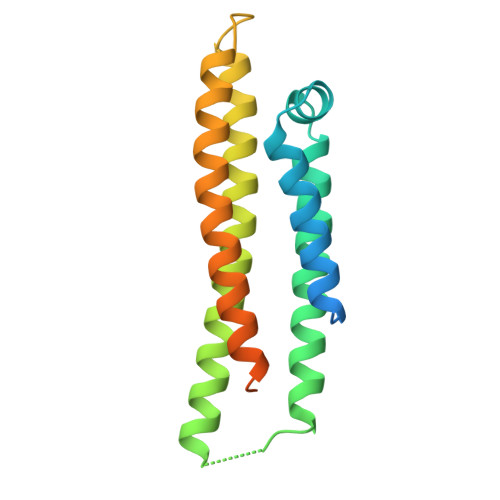
Apolipoprotein E structure
P02649
APOE_HUMAN
APOE

Apolipoprotein E

Homo sapiensTaxon: 9606

3D-structureAlzheimer diseaseAmyloidosisCholesterol metabolismChylomicronDirect protein sequencingDisease variantEndosomeExtracellular matrixGlycationGlycoproteinHDL+18
序列长度

317

氨基酸

分子量

36.2 kDa

理论值

实验结构

29

PDB 条目

相关疾病

4

已记录

功能描述

APOE is an apolipoprotein, a protein associating with lipid particles, that mainly functions in lipoprotein-mediated lipid transport between organs via the plasma and interstitial fluids (PubMed:14754908, PubMed:1911868, PubMed:6860692). APOE is a core component of plasma lipoproteins and is involved in their production, conversion and clearance (PubMed:14754908, PubMed:1911868, PubMed:1917954, PubMed:23620513, PubMed:2762297, PubMed:6860692, PubMed:9395455). Apolipoproteins are amphipathic molecules that interact both with lipids of the lipoprotein particle core and the aqueous environment of the plasma (PubMed:2762297, PubMed:6860692, PubMed:9395455). As such, APOE associates with chylomicrons, chylomicron remnants, very low density lipoproteins (VLDL) and intermediate density lipoproteins (IDL) but shows a preferential binding to high-density lipoproteins (HDL) (PubMed:1911868, PubMed:6860692). It also binds a wide range of cellular receptors including the LDL receptor/LDLR, the LDL receptor-related proteins LRP1, LRP2 and LRP8 and the very low-density lipoprotein receptor/VLDLR that mediate the cellular uptake of the APOE-containing lipoprotein particles (PubMed:12950167, PubMed:1530612, PubMed:1917954, PubMed:20030366, PubMed:20303980, PubMed:2063194, PubMed:2762297, PubMed:7635945, PubMed:7768901, PubMed:8756331, PubMed:8939961). Finally, APOE also has a heparin-binding activity and binds heparan-sulfate proteoglycans on the surface of cells, a property that supports the capture and the receptor-mediated uptake of APOE-containing lipoproteins by cells (PubMed:23676495, PubMed:7635945, PubMed:9395455, PubMed:9488694). A main function of APOE is to mediate lipoprotein clearance through the uptake of chylomicrons, VLDLs, and HDLs by hepatocytes (PubMed:1911868, PubMed:1917954, PubMed:23676495, PubMed:29516132, PubMed:9395455). APOE is also involved in the biosynthesis by the liver of VLDLs as well as their uptake by peripheral tissues ensuring the delivery of triglycerides and energy storage in muscle, heart and adipose tissues (PubMed:2762297, PubMed:29516132). By participating in the lipoprotein-mediated distribution of lipids among tissues, APOE plays a critical role in plasma and tissues lipid homeostasis (PubMed:1917954, PubMed:2762297, PubMed:29516132). APOE is also involved in two steps of reverse cholesterol transport, the HDLs-mediated transport of cholesterol from peripheral tissues to the liver, and thereby plays an important role in cholesterol homeostasis (PubMed:14754908, PubMed:23620513, PubMed:9395455). First, it is functionally associated with ABCA1 in the biogenesis of HDLs in tissues (PubMed:14754908, PubMed:23620513). Second, it is enriched in circulating HDLs and mediates their uptake by hepatocytes (PubMed:9395455). APOE also plays an important role in lipid transport in the central nervous system, regulating neuron survival and sprouting (PubMed:25173806, PubMed:8939961). APOE is also involved in innate and adaptive immune responses, controlling for instance the survival of myeloid-derived suppressor cells (By similarity). Binds to the immune cell receptor LILRB4 (PubMed:30333625). APOE may also play a role in transcription regulation through a receptor-dependent and cholesterol-independent mechanism, that activates MAP3K12 and a non-canonical MAPK signal transduction pathway that results in enhanced AP-1-mediated transcription of APP (PubMed:28111074) (Microbial infection) Through its interaction with HCV envelope glycoprotein E2, participates in the attachment of HCV to HSPGs and other receptors (LDLr, VLDLr, and SR-B1) on the cell surface and to the assembly, maturation and infectivity of HCV viral particles (PubMed:25122793, PubMed:29695434). This interaction is probably promoted via the up-regulation of cellular autophagy by the virus (PubMed:29695434)

定位与分布

组织特异性

Produced by several tissues and cell types and mainly found associated with lipid particles in the plasma, the interstitial fluid and lymph (PubMed:25173806). Mainly synthesized by liver hepatocytes (PubMed:25173806). Significant quantities are also produced in brain, mainly by astrocytes and glial cells in the cerebral cortex, but also by neurons in frontal cortex and hippocampus (PubMed:10027417, PubMed:3115992). It is also expressed by cells of the peripheral nervous system (PubMed:10027417, PubMed:25173806). Also expressed by adrenal gland, testis, ovary, skin, kidney, spleen and adipose tissue and macrophages in various tissues (PubMed:25173806)

相关疾病

Hyperlipoproteinemia 3

A disorder characterized by the accumulation of intermediate-density lipoprotein particles (IDL or broad-beta-lipoprotein) rich in cholesterol. Clinical features include xanthomas, yellowish lipid deposits in the palmar crease, or less specific on tendons and on elbows. The disorder rarely manifests before the third decade in men. In women, it is usually expressed only after the menopause.

Alzheimer disease 2

A late-onset form of Alzheimer disease. Alzheimer disease is a neurodegenerative disorder characterized by progressive dementia, loss of cognitive abilities, and deposition of fibrillar amyloid proteins as intraneuronal neurofibrillary tangles, extracellular amyloid plaques and vascular amyloid deposits. The major constituents of these plaques are neurotoxic amyloid-beta protein 40 and amyloid-beta protein 42, that are produced by the proteolysis of the transmembrane APP protein. The cytotoxic C-terminal fragments (CTFs) and the caspase-cleaved products, such as C31, are also implicated in neuronal death.

Sea-blue histiocyte disease

Characterized by splenomegaly, mild thrombocytopenia and, in the bone marrow, numerous histiocytes containing cytoplasmic granules which stain bright blue with the usual hematologic stains. The syndrome is the consequence of an inherited metabolic defect analogous to Gaucher disease and other sphingolipidoses.

Lipoprotein glomerulopathy

Uncommon kidney disease characterized by proteinuria, progressive kidney failure, and distinctive lipoprotein thrombi in glomerular capillaries.

氨基酸序列

MKVLWAALLVTFLAGCQAKVEQAVETEPEPELRQQTEWQSGQRWELALGRFWDYLRWVQT
LSEQVQEELLSSQVTQELRALMDETMKELKAYKSELEEQLTPVAEETRARLSKELQAAQA
RLGADMEDVCGRLVQYRGEVQAMLGQSTEELRVRLASHLRKLRKRLLRDADDLQKRLAVY
QAGAREGAERGLSAIRERLGPLVEQGRVRAATVGSLAGQPLQERAQAWGERLRARMEEMG

FASTA 格式 · 317 个氨基酸 · 分子量 36.2 kDa